Edward O. Wilson
Since ancient times, thinkers such as Hippocrates have highlighted the beneficial and therapeutic qualities of Nature and green spaces.
Starting in the 1980s, researchers around the world began to investigate the benefits of exposure to natural environments, demonstrating their importance in the recovery of cognitive resources, the restoration of optimal physiological activation levels and the regulation of emotions.
Scientific studies on the benefits of viewing natural images
Two main scientific theories explain the effects of Nature on human functioning:
Stress Recovery Theory (SRT) and Attention Restoration Theory (ART).
Stress Recovery Theory
The Stress Recovery Theory (SRT) was formulated by Roger Ulrich in 1983.
In summary, it describes how experiences of Nature support psychophysiological well-being through emotional, cognitive and physiological responses that contribute to recovery from stressful conditions, reduction of pain perception and restoration of the body’s balance.

Attention Restoration Theory
The Attention Restoration Theory (ART) was developed by psychologists Stephen and Rachel Kaplan in 1989.
According to this theory, Nature supports the recovery of attentional resources through a form of effortless engagement that allows cognitive processes to regenerate, enhancing concentration, mental clarity and intuitive thinking.
THE POWER OF NATURE.
A BALANCE OF CYCLES AND FREQUENCIES.
THE ALAMAR LIFE METHOD®
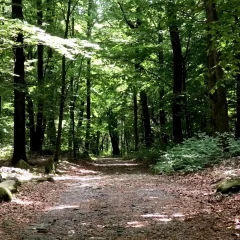
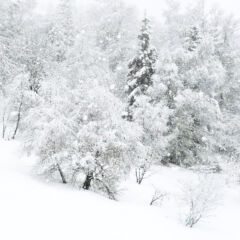
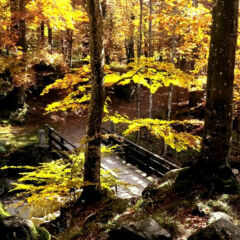
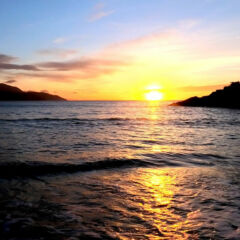
Alamar Life videos do more than simply show natural landscapes. They interpret Nature’s restorative qualities through carefully designed audiovisual sequences.
The Method is inspired by the principles that shape the natural world: landscapes, colours, seasons, natural elements, light and shadow, harmonies and sounds. Alamar Life captures their purest essence and transforms it into a contemplative experience that encourages a deeper and more harmonious perception of Nature.
Unlike traditional nature documentaries, which are designed to inform through narrative, Alamar Life experiences are created for contemplative viewing, free from the need to follow a story or maintain focused attention.
Each sequence explores a single natural element through a variety of perspectives while preserving complete visual and sonic coherence within the same theme. Every image reveals a new aspect of the same environment, creating a harmonious journey that extends immersion in Nature and supports well-being and quality of life.
TESTIMONIALS





FROM EXPERIENCE TO RESEARCH
The observations gathered over the years have led to collaborations with universities, experimental studies and research projects investigating the effects of audiovisual experiences of Nature.
University Collaborations
RESTSTRESS PROJECT
PRIN – National Research Project
University of Verona, Italy – Scientific Coordinator: PhD Margherita Brondino
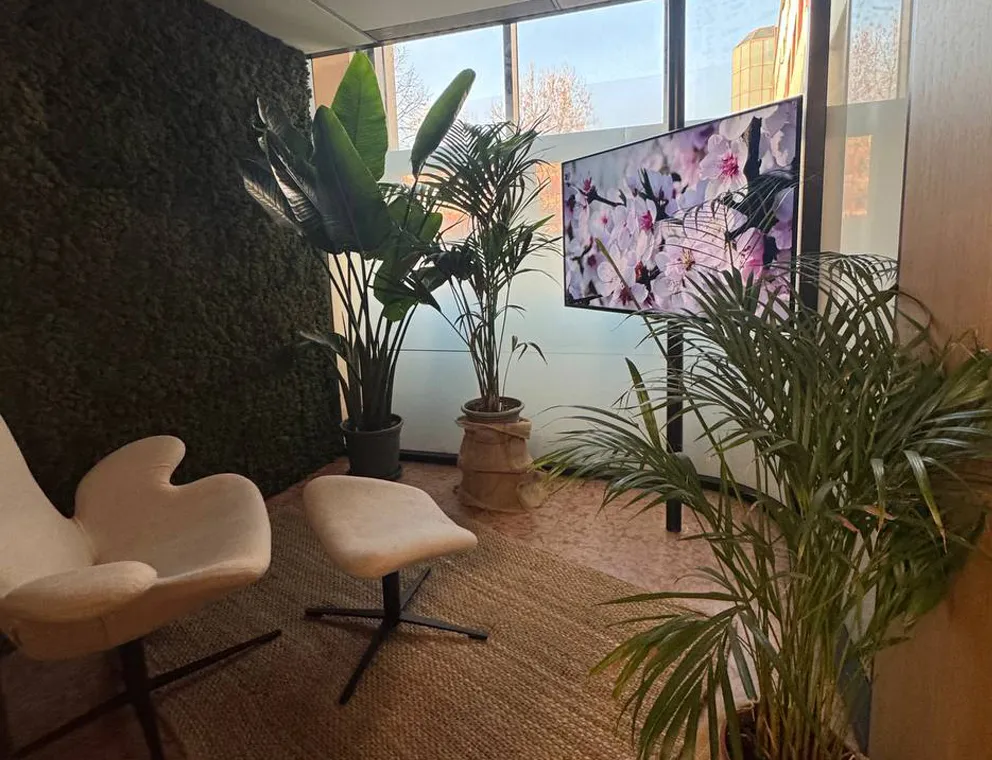
The study investigates the potential of biophilic design to promote psychological recovery and reduce physiological stress through exposure to audiovisual experiences of Nature.
Research Protocol
- 100 participants
- 15 minutes per day for 5 consecutive days
- 5 different natural environments
Key Findings
- +63% relaxation
- +38% calm
- −35% anxiety
- −31% stress
- −7 bpm heart rate
STUDY ON THE EFFECTS OF VIEWING NATURAL LANDSCAPES
Master’s Degree Thesis – University of Padua, Italy
Author: Ottavia Damian – Supervisor: Prof. Francesca Pazzaglia
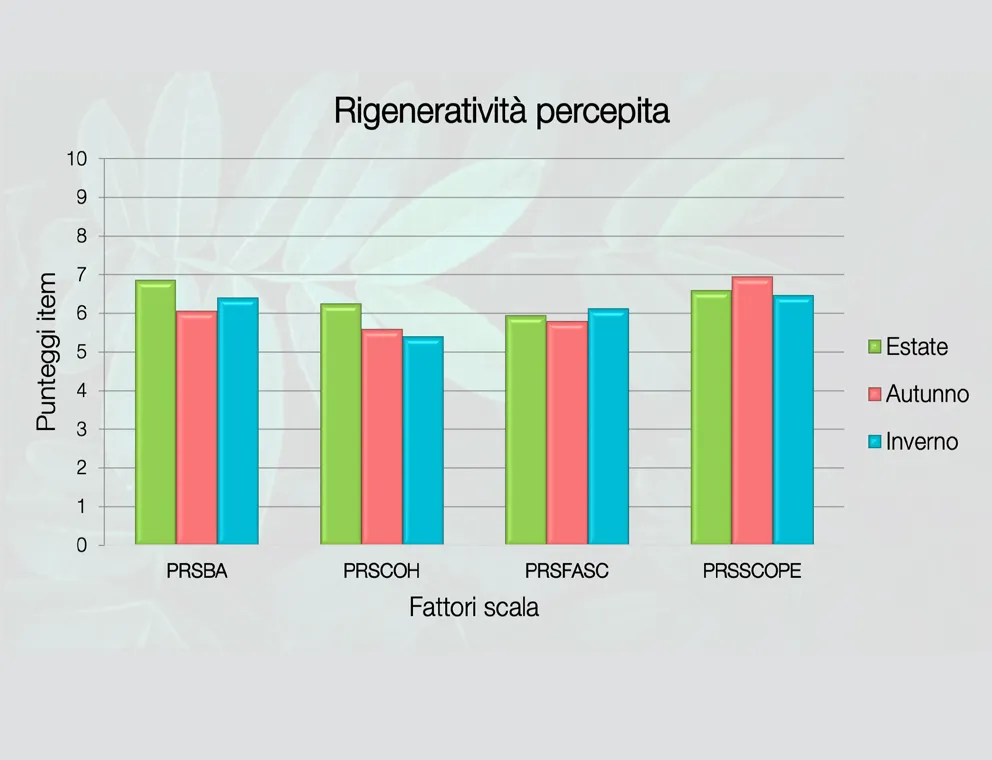
The study shows that even brief exposure to audiovisual natural landscapes promotes relaxation, improves mood and leads participants to perceive the environments as highly restorative.
Research Protocol
- 90 participants
- 6-minute streaming session
- Three different seasons: summer, autumn and winter
Key Findings
- Improved mood
- Increased positive emotions
- Reduced physiological activation
- Greater perceived relaxation
- High perceived restorativeness across all seasons
EXPERIMENTAL STUDIES
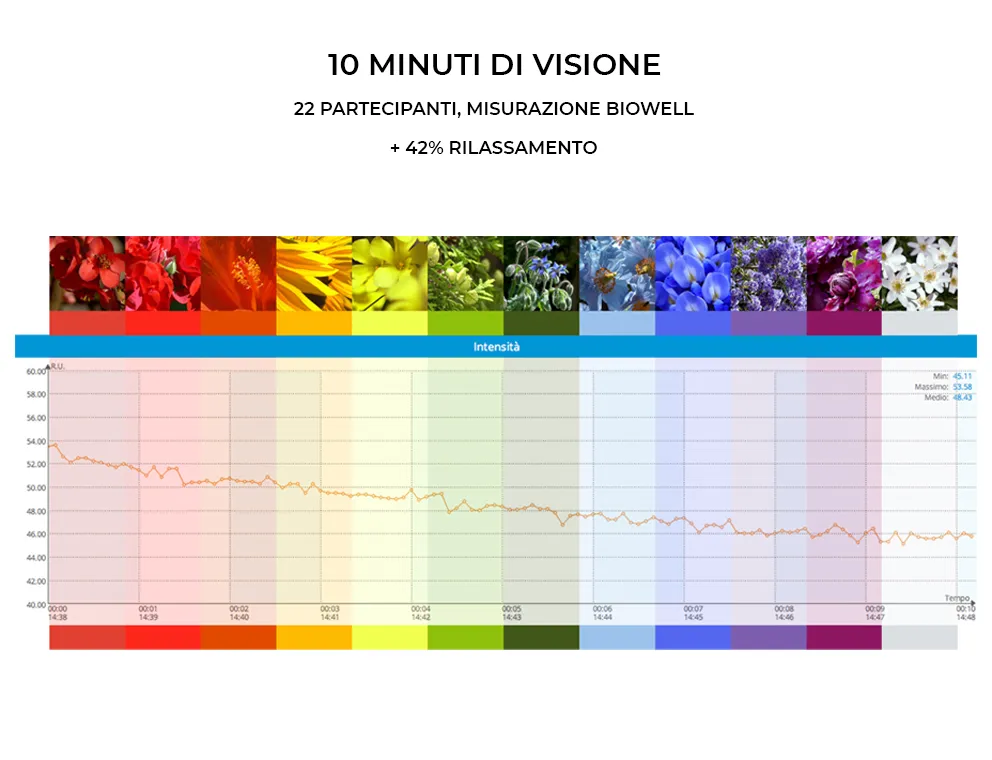
BIOWELL – RELAXATION IN 10 MINUTES
Tesla Holistic Academy
Project Coordinator: Severino Doppi
Measurement of the effects of an Alamar Life video using BioWell technology.
Research Protocol
- 22 participants
- 10-minute video: 12 Flowers of the Chromatic Scale
- Continuous BioWell monitoring throughout the session
Key Findings
- Progressive increase in the relaxation index throughout the entire experience
- +42% relaxation at the end of the session
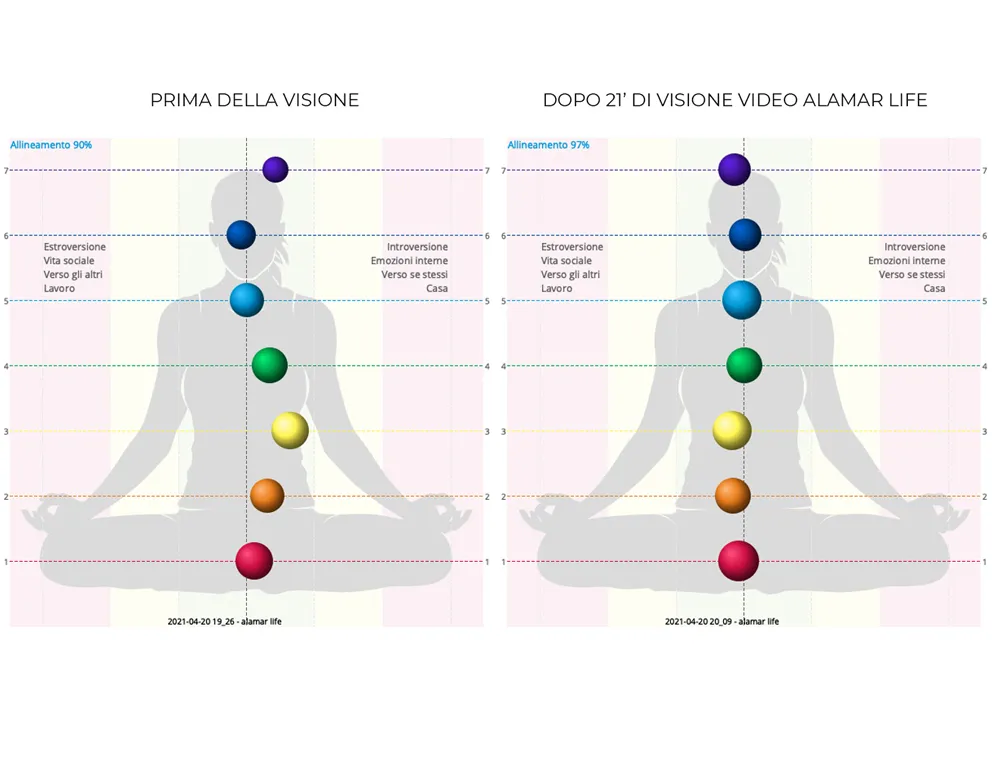
BIOWELL – REPEATED EXPOSURE STUDY
Tesla Holistic Academy
Project Coordinator: Severino Doppi
Study of the effects of repeated exposure to Alamar Life videos using BioWell measurements collected from participants.
Research Protocol
- Individual participant assessments
- Pre- and post-session measurements
- Experimental programme conducted over time
Key Findings
- Progressive improvement in the psychophysiological parameters measured after repeated exposure
METHODOLOGICAL COMPARISON
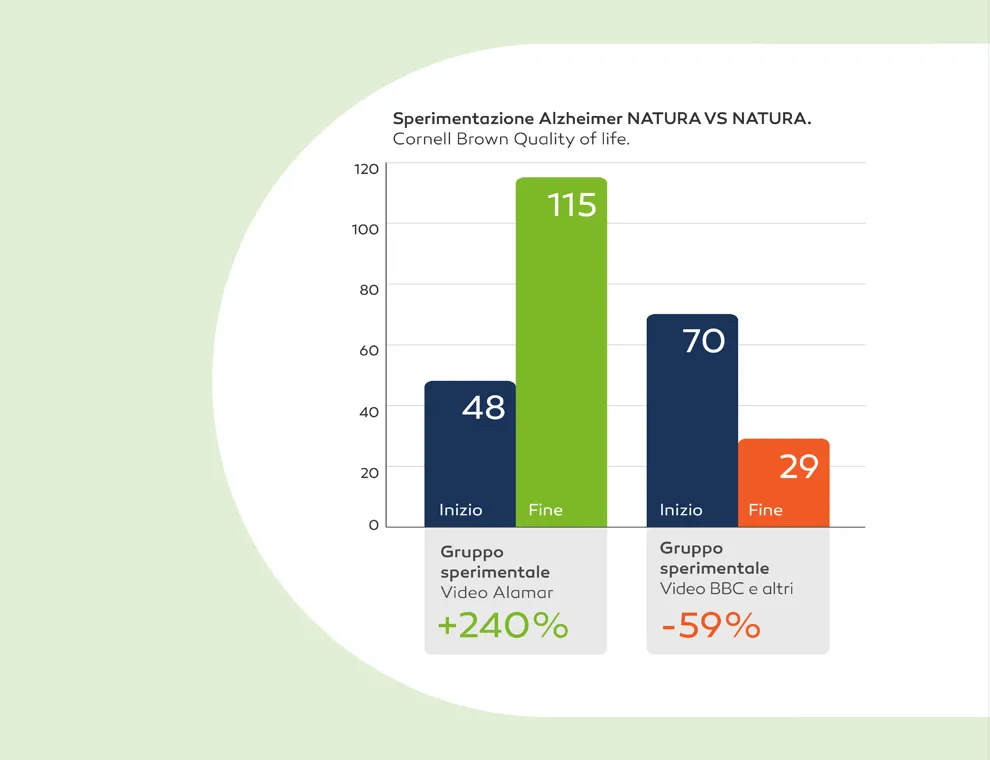
NATURE VS NATURE
APSP “Clementino Vannetti” – Rovereto, Italy
Project Coordinator: Dr. Maria Rita Di Gioia
Comparative study of the effects of viewing audiovisual Nature experiences in people living with dementia. The research compared two different approaches to representing Nature: the Alamar Life Method and high-quality nature documentaries available online.
Research Protocol
- Two clinically comparable groups (dementia/Alzheimer’s disease)
- Comparison between the Alamar Life Method and nature documentaries (BBC and other online documentaries)
- Three 30-minute sessions per week
- Total study duration: approximately three months
Key Findings
Quality of life (Cornell-Brown Scale for Quality of Life in Dementia)
- +240 (Alamar Life group)
- −59 (Nature documentary group)
Effectiveness of non-pharmacological interventions (Muniz Scale)
- +12.6 (Alamar Life group)
- +5.9 (Nature documentary group)
CLINICAL APPLICATIONS
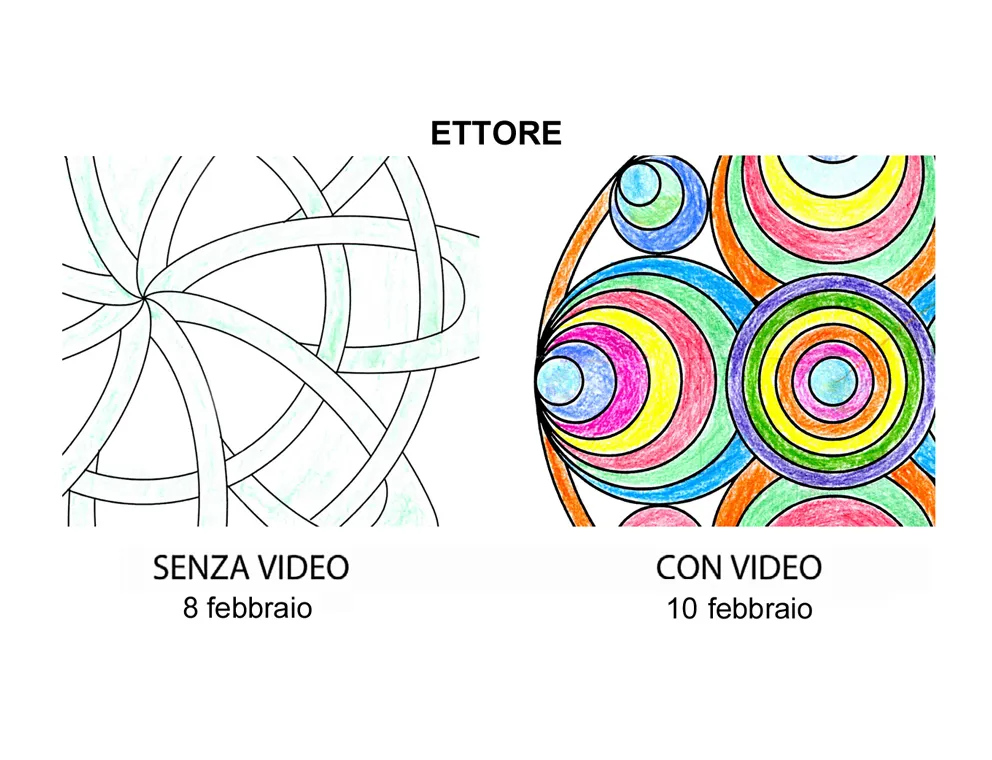
NATURE VIEWING AND ART THERAPY
Rsa Maria Grazia, Cerino Zegna, Biella, Italy
Project Coordinator: Emanuela Petit
Study on the benefits of viewing Alamar Life Nature videos before art therapy sessions.
Research Protocol
- Viewing one long sequence (12 minutes) before each art therapy session
- One session per week
- Five-month non-continuous programme
Key Findings
- The NPT-ES (Non-Pharmacological Therapy – Experience Scale) reached the maximum score (15) after eight sessions in almost all participants, with an average score of 14.60
- Improvements observed in cognitive, attentional, psychomotor and conversational abilities
- Increased overall well-being
NATURE VIEWING AND ART THERAPY
Rsa Beato Angelico, Borgo San Lorenzo Firenze, Italy
Project Coordinators: Dr. Mabel Gotti and Dr. Melania Menina Marin
Study on the benefits of viewing Alamar Life Nature videos before art therapy sessions.
Research Protocol
- Viewing the same short sequence repeated five times (total duration: 15 minutes)
- Three sessions per week
- Three-month continuous programme
Key Findings
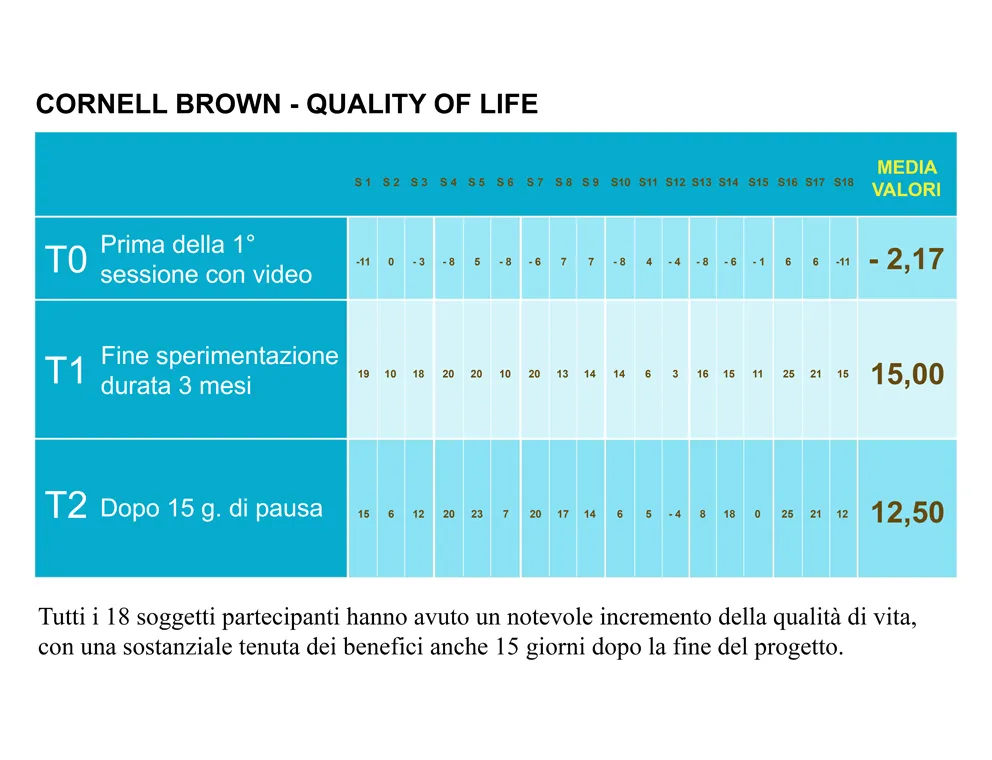
- Significant improvement in the Cornell-Brown Quality of Life Scale, with effects still evident two weeks after the end of the programme
- Baseline: −2.17
- Post-intervention: +15.00
- Two-week follow-up: +12.50
- Reduction in behavioural symptoms according to the CMAI (Cohen-Mansfield Agitation Inventory)
- Baseline: 51.83
- Post-intervention: 32.00
- Two-week follow-up: 33.22
NATURE VIEWING AND ART THERAPY
Rsa Fontenuovo Onlus, Perugia, Italy
Project Coordinators: Dr. Antonella Cerini and Dr. Rachele Stacchiotti
Study on the benefits of viewing Alamar Life Nature videos before art therapy sessions.
Research Protocol
- Viewing the same short sequence (15–30 minutes)
- One session per week
- Five-month continuous programme
Key Findings
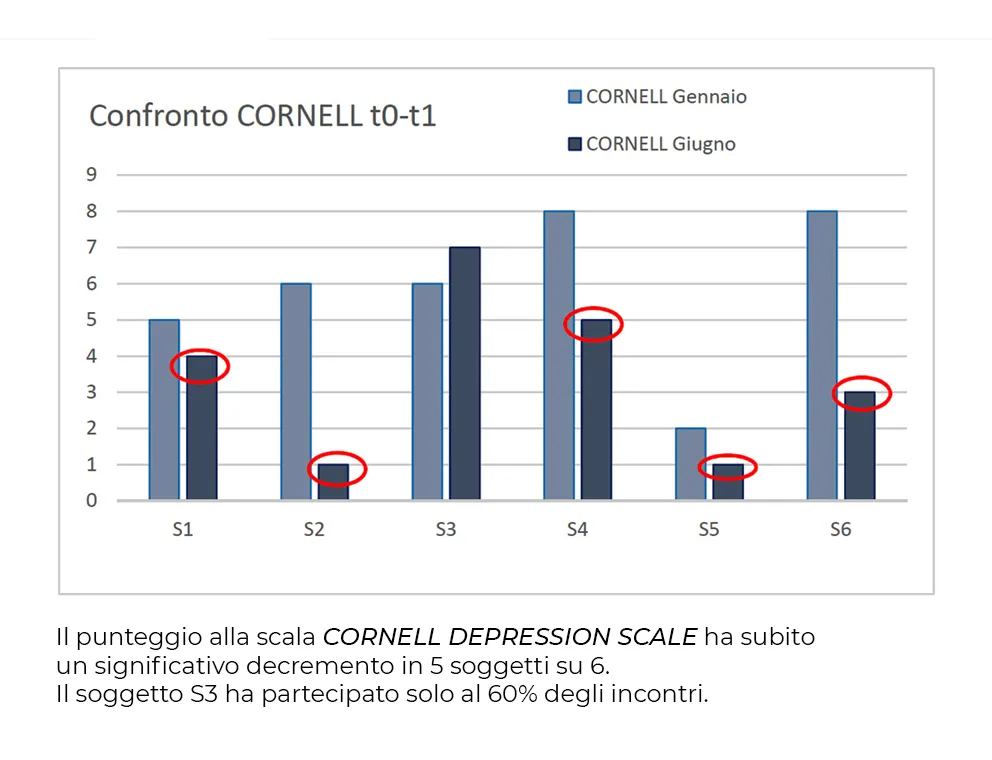
- Significant reduction in Cornell Scale for Depression in Dementia scores
- Improvement in the NPT-ES (Non-Pharmacological Therapy – Experience Scale), particularly in participation, enjoyment and social interaction
- Improvement in MMSE (Mini-Mental State Examination) scores in almost all participants
ADDICTION RECOVERY: NATURE VIEWING SESSIONS
Il Punto Cooperative – Biella, Italy (three centres: low-, medium- and high-risk programmes)
Project Coordinator: Dr. Daniele Carraro
The first Italian study to apply the principles of environmental psychology to the field of addiction recovery. The project investigated how, and to what extent, an audiovisual Nature-based methodology could influence the recovery of emotional functioning.
The results were presented at the National Conference of the Italian Society of Addiction Medicine (SITD).
Research Protocol
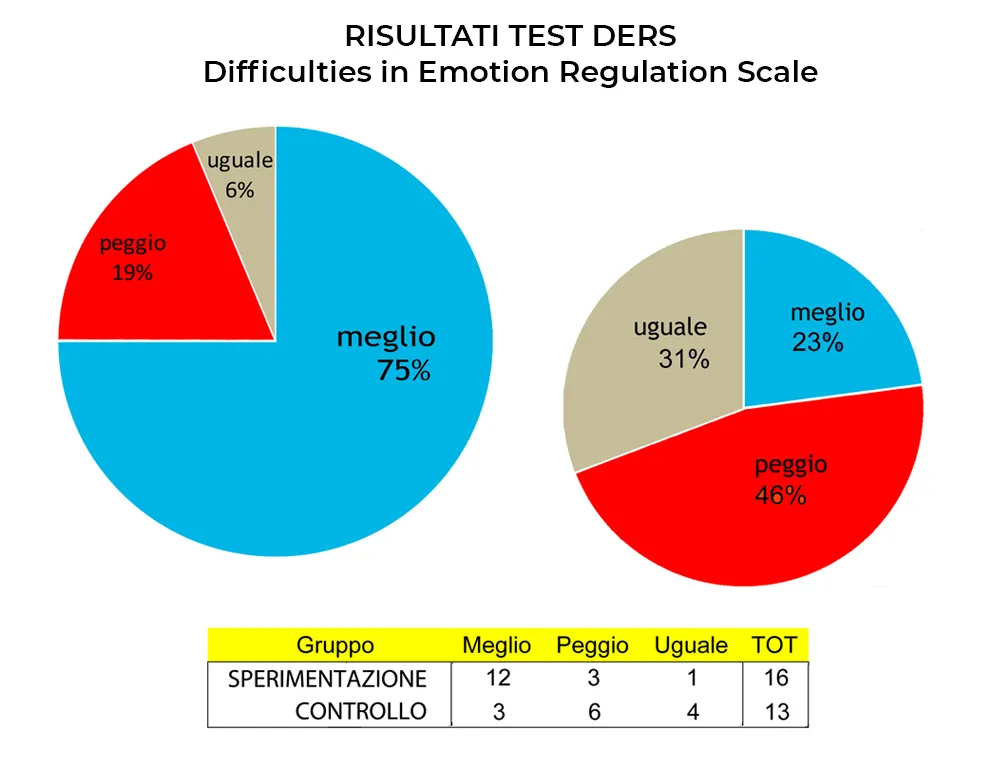
- 29 participants (16 experimental, 13 control)
- Viewing one long sequence (12 minutes)
- Two sessions per week
Key Findings
- The DERS (Difficulties in Emotion Regulation Scale) showed a 75% improvement in the experimental group, compared with 23% in the control group.
- Pre- and post-viewing questionnaires showed a positive shift in emotional states:
- +25 “relaxed”
- +15 “amazed”
- Reduction in the feelings of “tired” and “sad”

2019 RI.GENE.RA National event on the influence of frequencies on stem cells
Full talk by Cristina Fino.
2019 RI.GENE.RA National event on the influence of frequencies on stem cells
Extracts from Cristina Fino’s intervention.
2019 RI.GENE.RA National event on the influence of frequencies on stem cells
Maurizio Forza introduces Cristina Fino – excerpts.
2019 Meeting of Care Professions – Cristina Fino presents the Relax Experience Nature Care channel, the 1st therapeutic TV.
2019 Meeting of Care Professions – Anna Daccordo, psychologist: Experience Nature videos as a therapeutic tool.
ALZHEIMER
2019 Meeting of Care Professions – Cristina Falomi, dementia social educator: testimonies.
ALZHEIMER
2019 Meeting of Care Professions – Angela Eccher, Alzheimer unit manager: testimonies.
ALZHEIMER
2019 Meeting of Care Professions – Samanta Noldin, dementia social educator: testimonies.
ALZHEIMER
2019 Meeting of Care Professions – Cristina Fino explains Experience Nature.
2018 “Waiting for Alzheimer Fest” – Cristina Fino explains the Experience Nature method in personal care
ALZHEIMER
2018 “Waiting for Alzheimer Fest” – Samanta Noldin, dementia social educator, talks about her experience with Experience Nature videos.
ALZHEIMER
2018 Meeting of Care Professions – Cristina Falomi talks about her experience with Experience Nature in creative storytelling.
ALZHEIMER
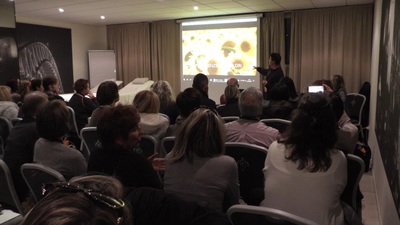
2017 National Non-self-sufficiency Forum Workshop on Non-pharmacological Therapies.
NON-SELF-SUFFICIENCY
2017 Integrated Oncology Conference – Modena Forum Monzani.
ONCOLOGY
2017 Cultivating Beauty in Care Homes – speaker Cristina Fino.
ALZHEIMER
2016 III Sente-Mente Day conference – speaker Dr. Di Gioia.
ALZHEIMER
2016 III Sente-Mente Day conference – speaker Cristina Fino.
ALZHEIMER
2015 National Conference Italian Society of Addiction – speaker Dr. Carraro.
ADDICTIONS
2015 1st Conference “Images beyond memory” – University of Pisa.
ALZHEIMER
2015 4th Neuroscience and Neuropsychology Conference – organised by PerFormat.
CHILDREN and ALZHEIMER
2015 Meeting of the Socio-Health Professions – speaker Dr Di Gioia.
ALZHEIMER
2015 Conference “Images beyond Memory” – Natural History Museum University of Pisa.
ALZHEIMER
2015 2nd Conference Sente-Mente Day by Letizia Espanoli
ALZHEIMER
2014 1st Conference Sente-Mente Day by Letizia Espanoli
ALZHEIMER