Experiences, ideas and applications of storytelling through Nature.
Nature Becomes the Setting of the Story
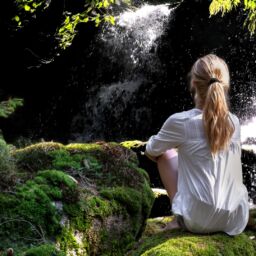
In The Imagined Story®, natural landscapes are not simply a background.
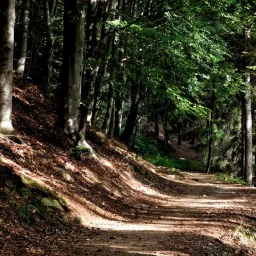
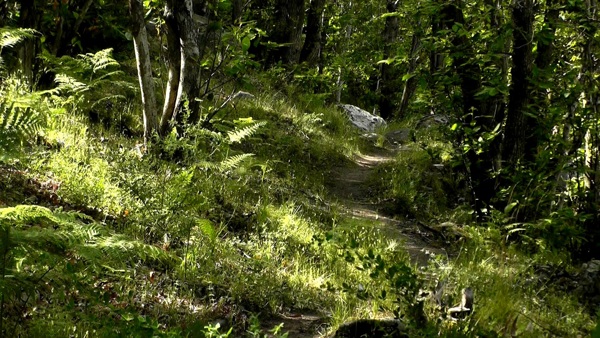
Forests, trails, streams, meadows, beaches and mountains become the stages of a journey created by the participants.
Each new image opens up a possibility, suggests a change of direction and introduces new characters and events.
The group chooses the path, while the facilitator guides the story, allowing the participants’ imagination to shape its development.

An Environment That Supports Storytelling
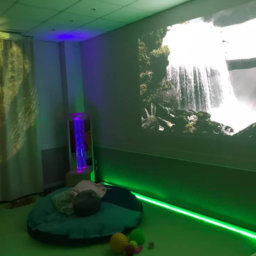
Alamar Life living landscapes allow participants to remain within the same natural setting for as long as needed.
The story is not required to follow the rhythm of the video.
The video adapts to and supports the rhythm of the story.
Remaining within the same environment encourages immersion, concentration and participation, while the documented benefits of exposure to natural environments help create a relaxed, creative atmosphere that supports connection and interaction.
Each film suggests a story, which may unfold – through the emotions aroused by the images – towards an imaginative composition, or give rise to a re-enactment arising from shared memories.
The Imagined Story® Comes to Life Differently Every Time.
Each The Imagined Story® experience takes shape in a unique way.
The experiences collected on this page show how the same methodology can become a creative workshop, an educational pathway, a therapeutic tool or an opportunity for connection, while always keeping Nature as the guiding thread of the journey.
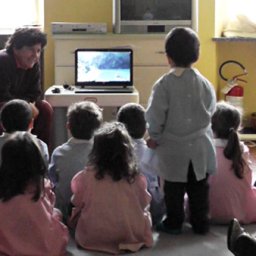
Case history ‘Piedmont Nursery School’
“This project opens up many possibilities, has a lot of potential for application and is a great tool for such young children and for children with emotional, relational and motor instability difficulties”.
Raffaella Castrale, kindergarten teacher
Case history ” Alzheimer’s Unit Cremona
“My use of Experience Nature videos is aimed at stimulating the imagination. The objective is not the recovery of memory; memories sometimes come out spontaneously and become appendages of the story. The focus is on the imagination, on what is not visible, to activate a freer dimension that is detached from logical-cognitive consequentiality, to move into a territory of great freedom”.
Iris Dall’Aglio, dementia social educator, Certified Timeslips facilitator (Timeslips storytelling for dementia Project)

Case history “LTC Santa Maria”, Cles (TN) Italy
“We had a session on the sea, bringing the basin with sand, with water, with shells … we had ice cream because at the sea you don’t eat cookies but you eat ice cream. It was very, very emotional because one of our residents, who speaks very little and has really big difficulties, told us about how he met his wife, just at the sea, he even started crying and when we told his daughter about it, she also got very emotional because it was a memory she had as a child, but she had forgotten it and now she has it alive again.”
Samanta Noldin, social educator
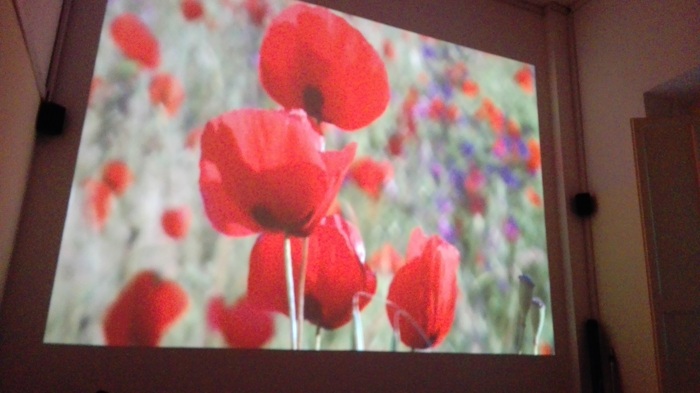
Case history “Alzheimer’s Unit Perugia” Italy
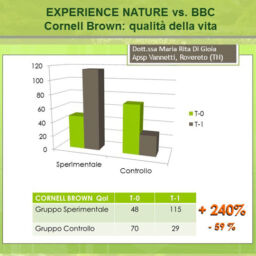
“Recordings of baseline blood pressure values, made after the viewing and storytelling activity, revealed an objective drop of 20 mmHg in both antihypertensive-treated and nonpharmacologically treated cases.”
Cristina Falomi, social educator
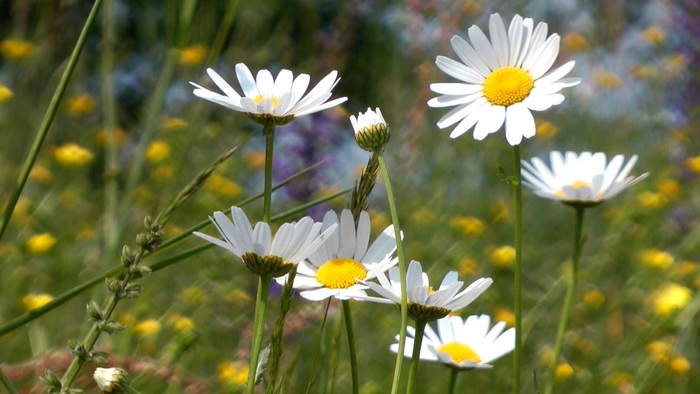
Case history “Casa Serena Foundation” Brembate Sopra (BG) Italy
“Rereading the stories made makes us realize the richness of this proposal, which does not end in the time of the actual narrative, but continues on the written page. We are collecting them with the idea of enhancing and highlighting them, carefully guarding them.”
Paola Buelli, social educator
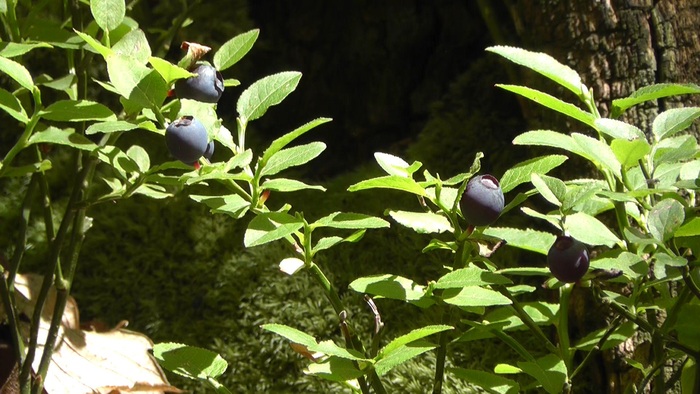
Case history LTC Villa Serena, Solagna (VI) Italy
“This led to the idea of an iconographic dictionary that we are creating by choosing an element each time (e.g., water or blueberry) and each person enriches it according to their own vision (tap, lake, drops or jam, fruit juice, blueberry undergrowth, etc.). We are doing this in dual language as we have our own elderly Albanian woman, so we favour her learning and a multicultural experience through these experiences”.
Enrica Pontin, dementia social educator